Bombing of Nasser Medical Complex Takes Surgery and Intensive Care Out of Service
- 13.11.2026
- Field reports
The bombing of Nasser Medical Complex worsens the health crisis in Gaza and threatens rehabilitation efforts
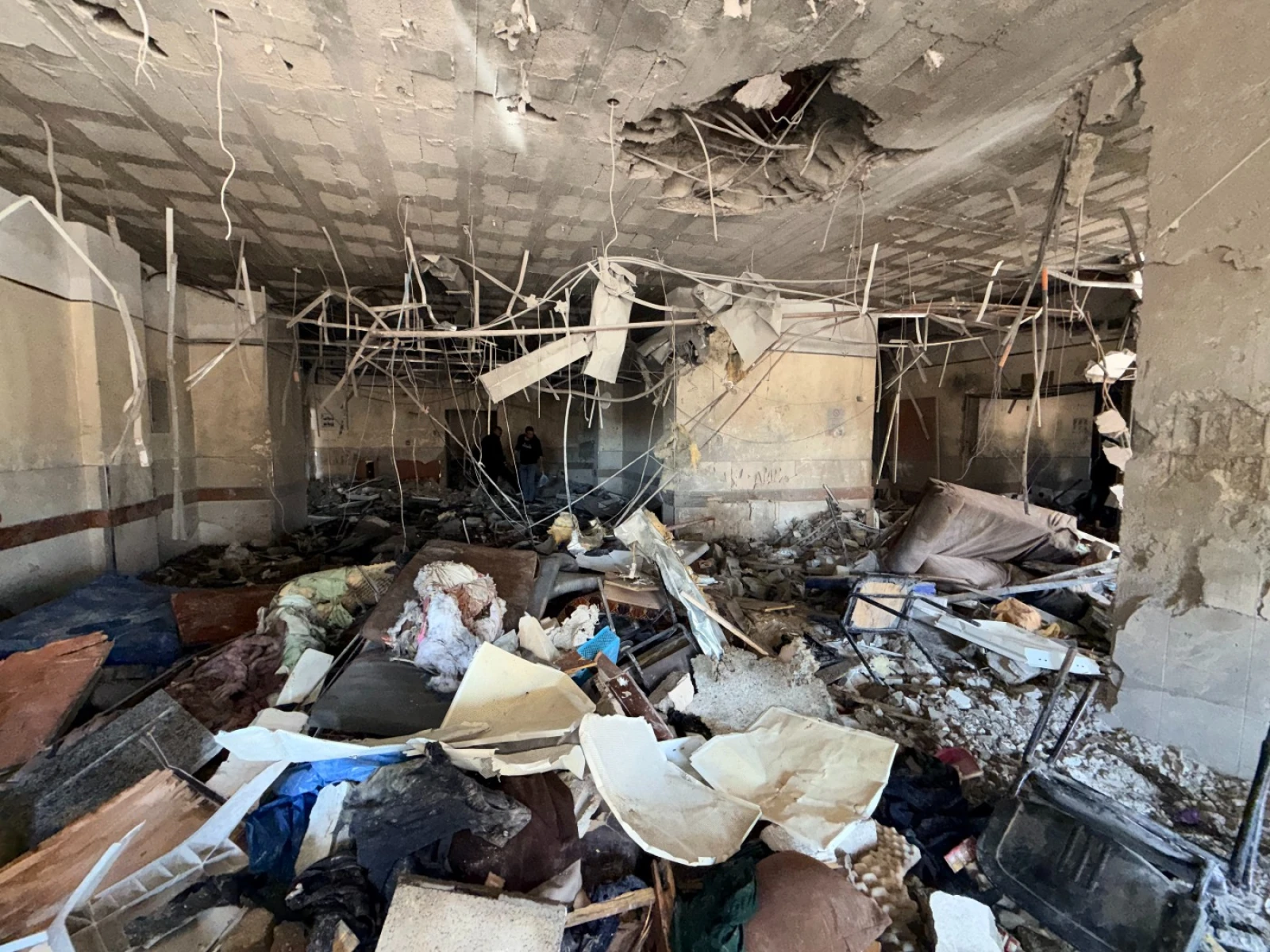
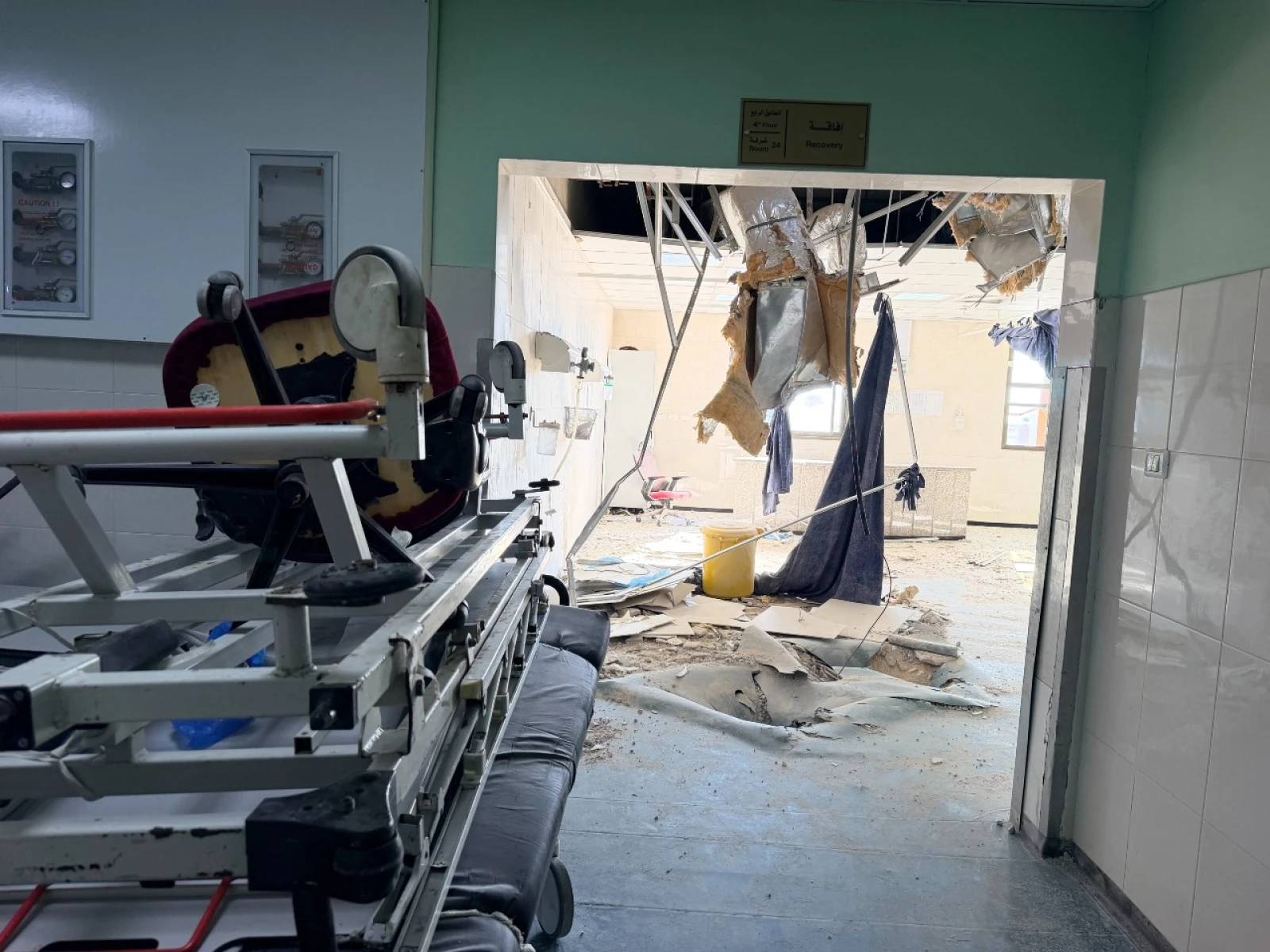
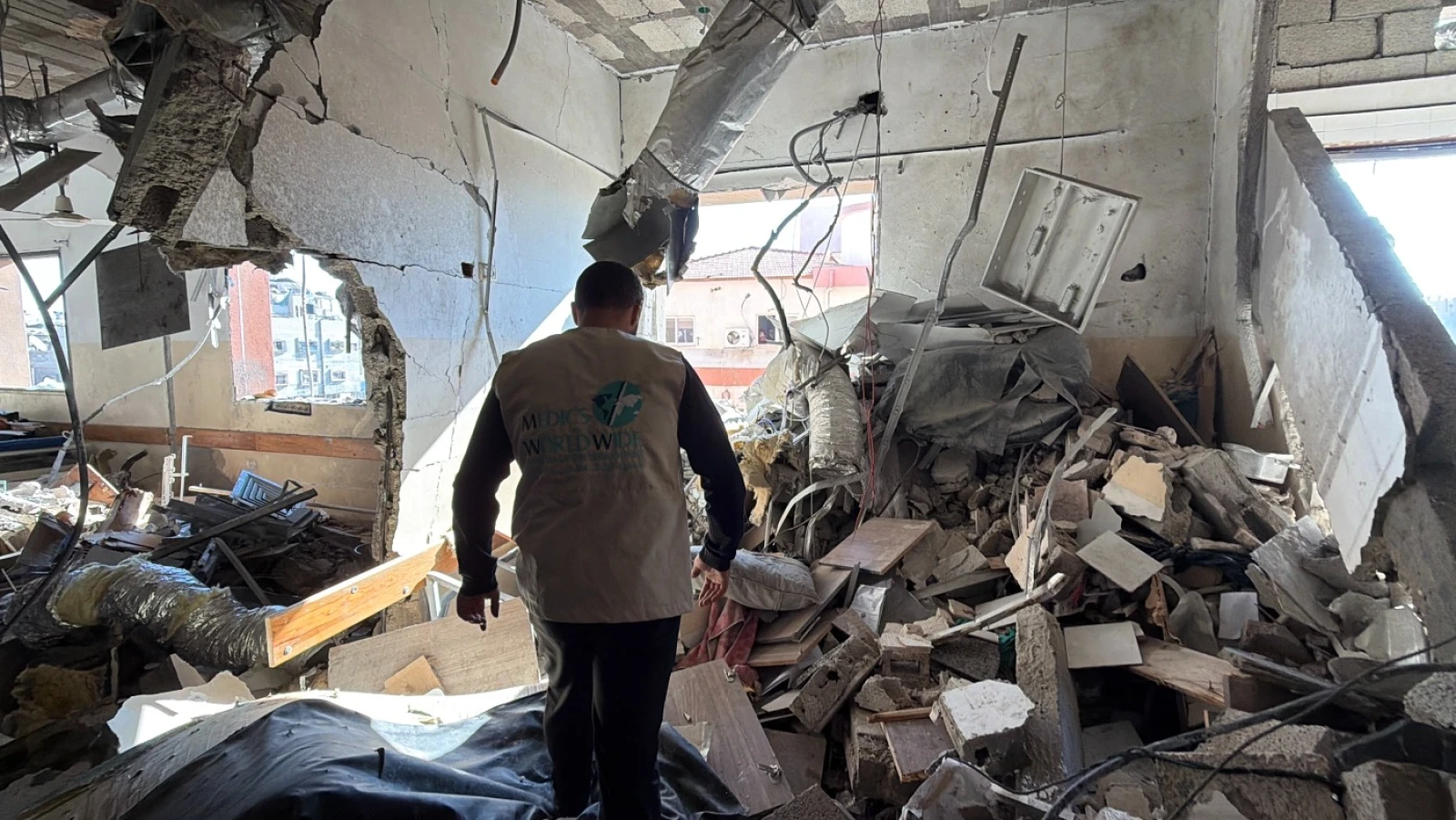
At dawn on Thursday, 12 November 2026, the Israeli occupation army targeted the Al-Yassin building in Nasser Medical Complex in the city of Khan Younis, in the south of the Gaza Strip, resulting in the killing of six people from the medical teams, patients, and their companions, including Dr. Rizq Abu Sha'ira, and injuring more than 30 others, in a new strike against one of the most prominent health facilities relied on by the people of the southern part of the Strip.
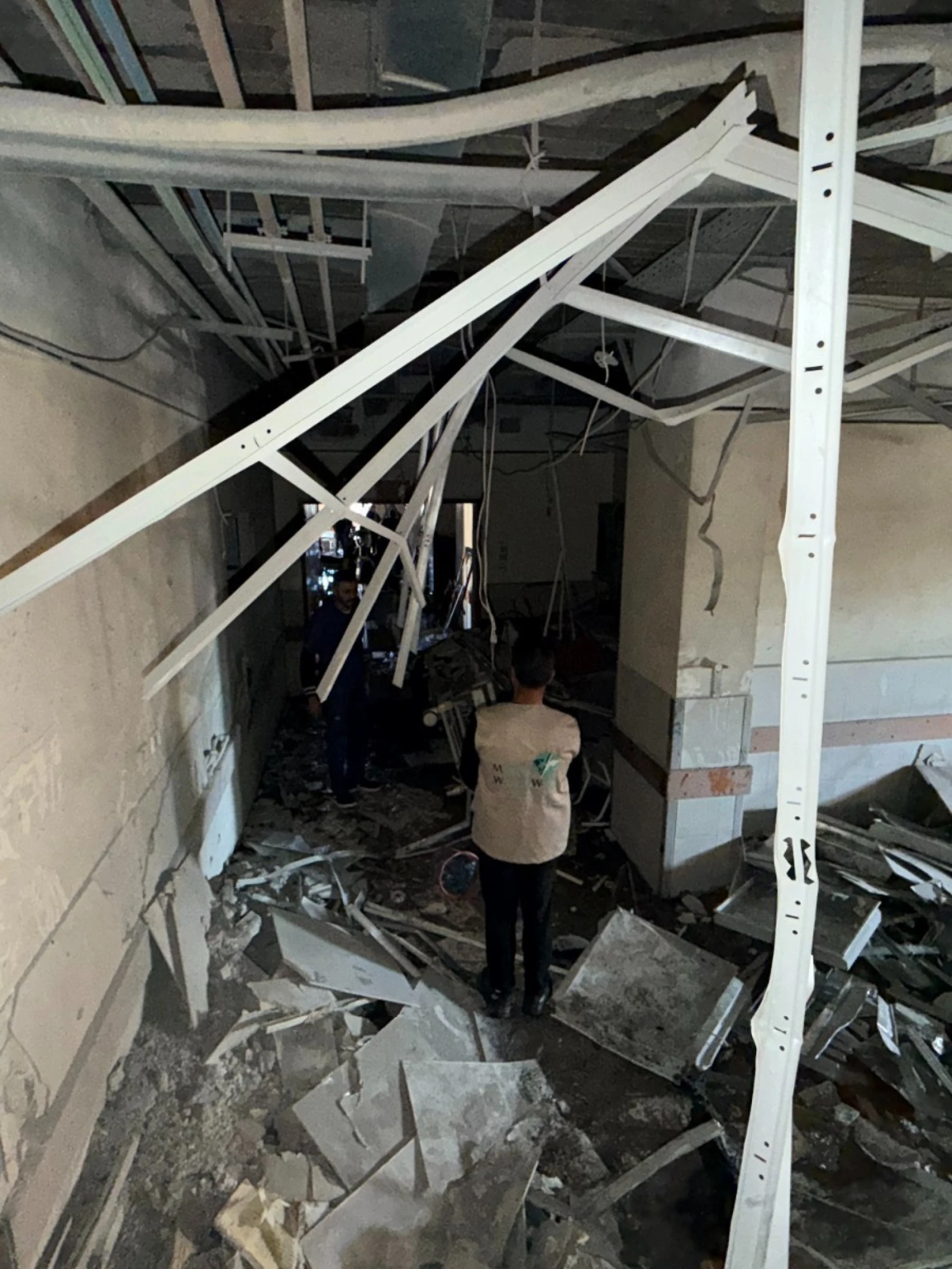
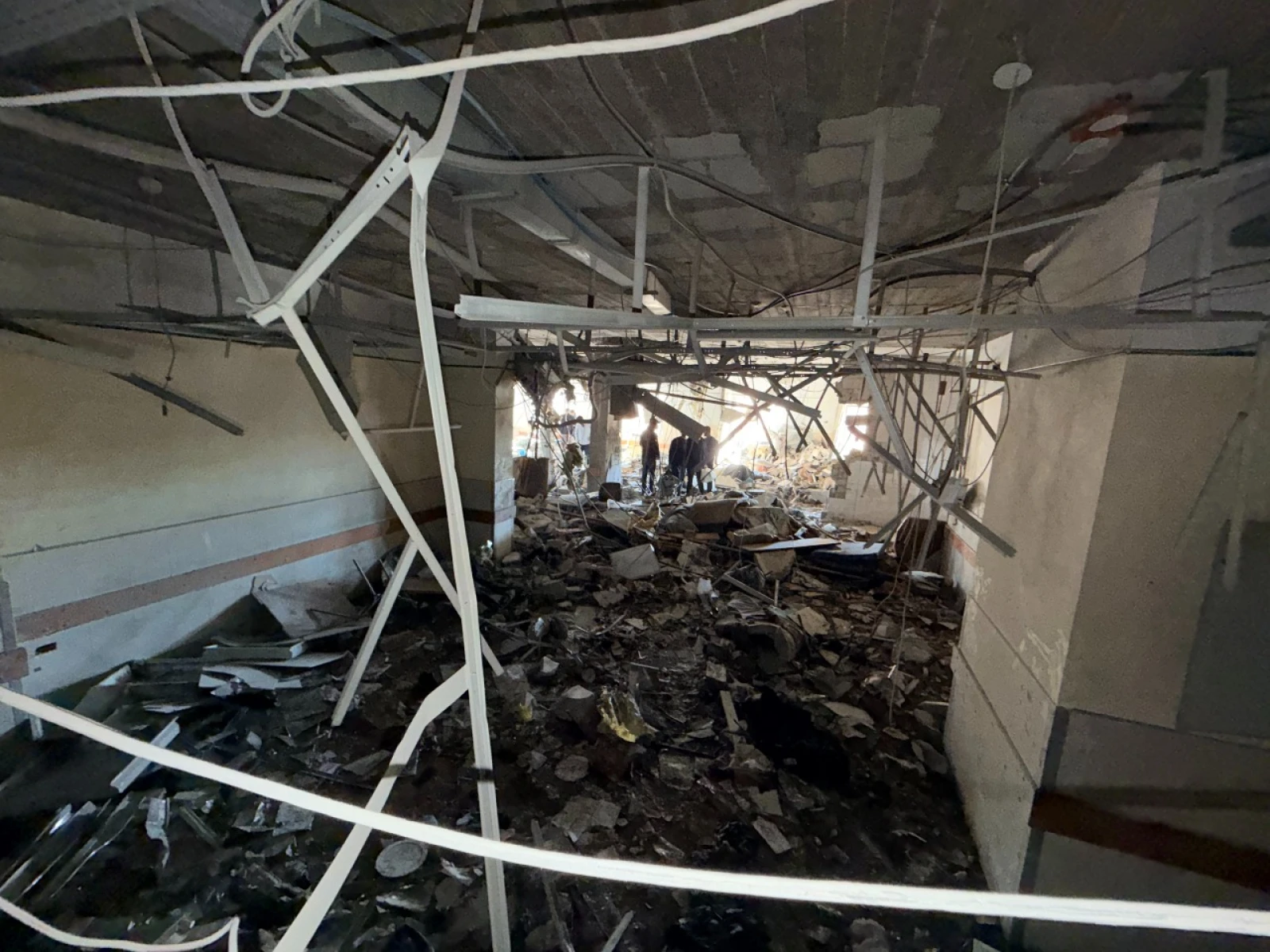
The bombing hit the surgery and intensive care departments, leaving extensive destruction inside the building. According to the complex administration, two missiles penetrated the upper floors, one of them exploded inside the building, while the other remained unexploded. The strike led to the suspension of surgical, radiology, and laboratory services, exposed patients and medical teams to additional risks, and reduced the complex's capacity to receive cases requiring urgent intervention.
This destruction comes at a time when Gaza's health system is suffering from severe exhaustion, as a result of damaged medical facilities, shortages of medicines and supplies, and the disruption of essential treatment services. The Ministry of Health had warned, before the bombing, of the depletion of vital items that threaten the continuity of care; the targeting of Nasser Complex adds new burdens to the remaining facilities and increases the suffering of patients and the wounded, for whom access to treatment is becoming increasingly limited.
The strike once again highlights the importance of efforts to repair hospitals and reopen their departments; the International Medical Relief Association “Medics” had previously contributed to the repair and rehabilitation of the surgery department and other departments inside Nasser Medical Complex, as part of its efforts to support the restoration of health services and provide a suitable treatment environment for patients and the wounded.
As damage assessment and loss inventory continue, restoring the suspended services appears to be a task that requires major engineering and medical efforts and significant resources. Expected needs include inspecting the safety of the building, repairing the damaged facilities, and fixing or replacing equipment according to the results of the assessment, in addition to providing the necessary supplies for safe resumption of operations. The bombing thus multiplies the scale of the rehabilitation efforts required and underscores the urgent need to protect medical facilities and teams and ensure the arrival of supplies, so that hospitals can continue their role in saving lives.
Leave a comment
Your email will not be published. Required fields are marked *